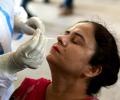
The Hyderabad-based firm completed clinical trials of the nasal vaccine with about 4,000 volunteers and there is no side effect or adverse reaction reported so far, company sources had said.
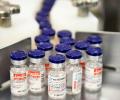
Kejriwal's announcement came after Deputy Chief Minister Manish Sisodia earlier this week claimed that Covaxin manufacturer Bharat Biotech has refused to provide additional doses to the national capital.
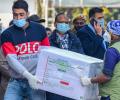
Each vaccination session will cater to a maximum of 100 beneficiaries and the Union Health Ministry has advised states not to organise 'unreasonable numbers of vaccination per site per day'.
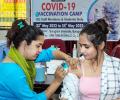
The Standing Technical Sub-Committee (STSC) of the National Technical Advisory Group on Immunisation (NTAGI) on Thursday recommended reducing the gap between the second and precaution doses of COVID-19 vaccines from the current nine to six months, official sources said.
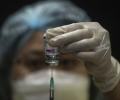
Pune-based Serum Institute of India (SII) is sitting on 200 million doses of Covishield that were manufactured in December and are set to expire in September. The company is likely to destroy these vaccines if nothing works out, Sohini Das reports.

The first COVID-19 vaccine shots in India were given on Saturday to nearly two lakh frontline healthcare and sanitary workers as Prime Minister Narendra Modi rolled out the world's largest inoculation drive against the pandemic that has caused 1,52,093 deaths and upended millions of lives in the country.
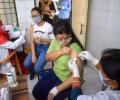
As states grapple with a shortage of coronavirus vaccines, the Centre on Thursday said that over two billion doses will be made available in the country in five months between August and December, enough to vaccinate the entire population.
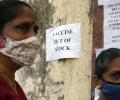
Earlier this month, 75 of the 120 vaccination centres across Mumbai, including a jumbo COVID-19 facility in business district BKC, had suspended inoculation due to a shortage of doses.

The Pune-based vaccine major has entered into a collaboration with the University of Oxford and AstraZeneca to manufacture the vaccine.
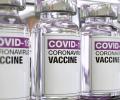
As for Bharat Biotech, the Subject Expert Committee (SEC) on COVID-19 of the CDSCO asked the firm to expedite volunteer recruitment for the ongoing clinical trial and said it may conduct interim efficacy analysis for further consideration of restricted emergency use approval for its vaccine Covaxin, they stated.
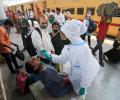
There is no association between the Covid-19 vaccines used in India -- Covishield and Covaxin -- and increase in the risk of heart attacks, according to an observational study which emphasises the protective effect of the jabs.
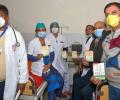
The highest number of vaccines were administered in UP at 21,291 followed by Andhra Pradesh at 18,412, Maharashtra at 18,328, Bihar at 18,169, Odisha at 13,746, Karnataka at 13,594, Gujarat at 10,787, Rajasthan at 9,279, West Bengal at 9,730, Madhya Pradesh at 9,219, Kerala at 8,062.
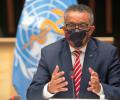
Prime Minister Modi has said India's vaccine production and delivery capacity will be used for the benefit of all humanity to fight the COVID-19 pandemic. He said last week India was ready to do everything possible for a healthy planet.

Choubey said till February 4 total 81 AEFIs, which is 0.096 per cent of the total beneficiaries who have been administered Covaxin, have been reported.

While virologists say theoretically the vaccine that works on Delta should work on the Delta Plus variant as well, more research is needed.
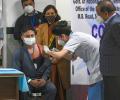
Healthcare workers at the frontline of India's COVID-19 battle got their first jabs after Prime Minister Narendra Modi launched the world's biggest drive via video conferencing.

Any significant adverse effect is unlikely if the second dose of a different COVID-19 vaccine is administered, but reaching a firm opinion on this will need more scrutiny and understanding, the Centre said.

Seventy per cent of the people who received a booster dose of the Covid vaccine did not contract the disease during the third wave, according to a new study that covered nearly 6,000 people in India.

Calling for 'equal recognition of vaccines', COVAX on Thursday urged all governments to recognise as 'fully vaccinated' those people who have received COVID-19 vaccines deemed safe by World Health Organisation, saying any move that restricts travel of people based on the vaccines they have received is 'counter-effective, both in spirit and outcome'.
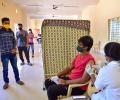
The Centre on Tuesday said that by July or early August, there will be enough COVID-19 vaccine to inoculate one crore people a day.

This follows a widespread criticism of its pricing policy as it sold Covaxin to the central government at Rs 150 per dose.

Delhi on Monday sounded an alert of its depleting vaccine stock, with Health Minister Satyendar Jain saying that the national capital has only one day's Covaxin jabs left and its Covishield doses will last for just three to four days.

Tope also informed that the Centre has asked the state to reduce the number of inoculation centers from 511 to 350, saying the government should focus on other emergencies also.

This will be Modi's first interaction with chief ministers following the recent approval of two coronavirus vaccines for restricted emergency use by India's drug regulator.

PM Modi said that it was an honour to be a trusted partner during the pandemic adding that the two countries will continue to strengthen cooperation on healthcare.
'Better to prevent than to wait for evidence. Protection delayed can also mean protection denied'
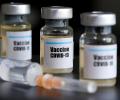
A source closely involved in logistical arrangements said the movement of vaccine doses is likely to start from early Tuesday morning through road and air routes amid elaborate police security.
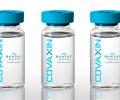
Bharat Biotech recruited 13,000 participants for the Phase-3 clinical trial of Covaxin. This is one of the largest efficacy trials held in the country.
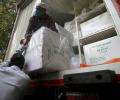
The Centre has accorded a security cover of armed Central Industrial Security Force (CISF) commandos for the Hyderabad premises of Bharat Biotech, one of the major COVID-19 vaccine manufacturers in the country, official sources said on Tuesday.
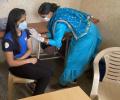
The IOA had also urged five Olympic-bound sportspersons, who have recovered from COVID-19 in the recent past, to take their first dose of the vaccine as soon as possible.
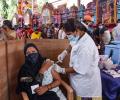
It will be unfair to put a date for any COVID wave as the behaviour of coronavirus is unpredictable and a disciplined and effective pandemic response can help the country get away from any significant outbreak, COVID Task Force chief V K Paul said.
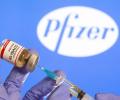
Though there is no official word, the sources said the government is not ready to give in to the indemnity demands of the US drug manufacturers against liabilities in case of adverse effects.

Briefing the media in Rome, Goyal said the Leaders adopted the 'Rome Declaration' at the G20 Summit and the communique gives a very strong message under the health section with the countries agreeing that the COVID-19 immunisation is a global public good.
'The problem is delaying (or missing) the second dose would probably keep you at a 20 per cent risk of still getting COVID-19, till you are fully immunised.'
These vaccines are Sputnik V vaccine (in collaboration with Dr Reddy's), Johnson & Johnson vaccine (in collaboration with Biological E), Novavax vaccine (in collaboration with Serum India), Zydus Cadila's vaccine, and Bharat Biotech's Intranasal Vaccine.
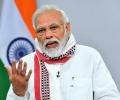
Modi is also likely to launch the Co-WIN (COVID Vaccine Intelligence Network) App, a digital platform created for real-time monitoring of COVID-19 vaccine delivery and distribution.
'We really need to look seriously to see if there are any local variants.'
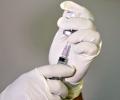
In a letter to all states and Union territories, the ministry highlighted that under the emergency use authorisation, coronavirus vaccination is indicated only for 18 years and above. If required, COVID-19 vaccine and other vaccines should be separated by an interval of at least 14 days.

The Drugs Controller General of India will take a final call on the recommendation. If approved, it will be the third COVID-19 vaccine to be available in India.

Addressing a press briefing, Union Health Secretary Rajesh Bhushan said vaccine effectiveness will be seen only after 14 days.
 © 2026 Rediff.com - Advertise with us - Disclaimer - Privacy Policy - Sitemap - Feedback - About us - Terms of use - Grievances